For many Central Florida homeowners, the septic system is one of the most important parts of the home that rarely gets attention. It quietly manages wastewater every day, yet most people only think about it when there is a problem. One of the most common and important questions homeowners ask is how long a septic tank lasts, especially in Florida, where soil conditions, weather, and water tables are very different from other parts of the country.
In general, a septic tank can last anywhere from 20 to 40 years, and sometimes longer. However, Florida homes often fall on the lower or middle end of that range without proper care. High groundwater levels, heavy rain, and sandy soil all place added stress on septic systems. Understanding what affects septic tank lifespan helps homeowners avoid unexpected failures, budget for future repairs or replacement, and protect their property value.
This guide explains septic tank lifespan for Florida homes, what factors matter most, warning signs to watch for, and how professional septic service can significantly extend the life of your system.
Average Septic Tank Lifespan in Florida
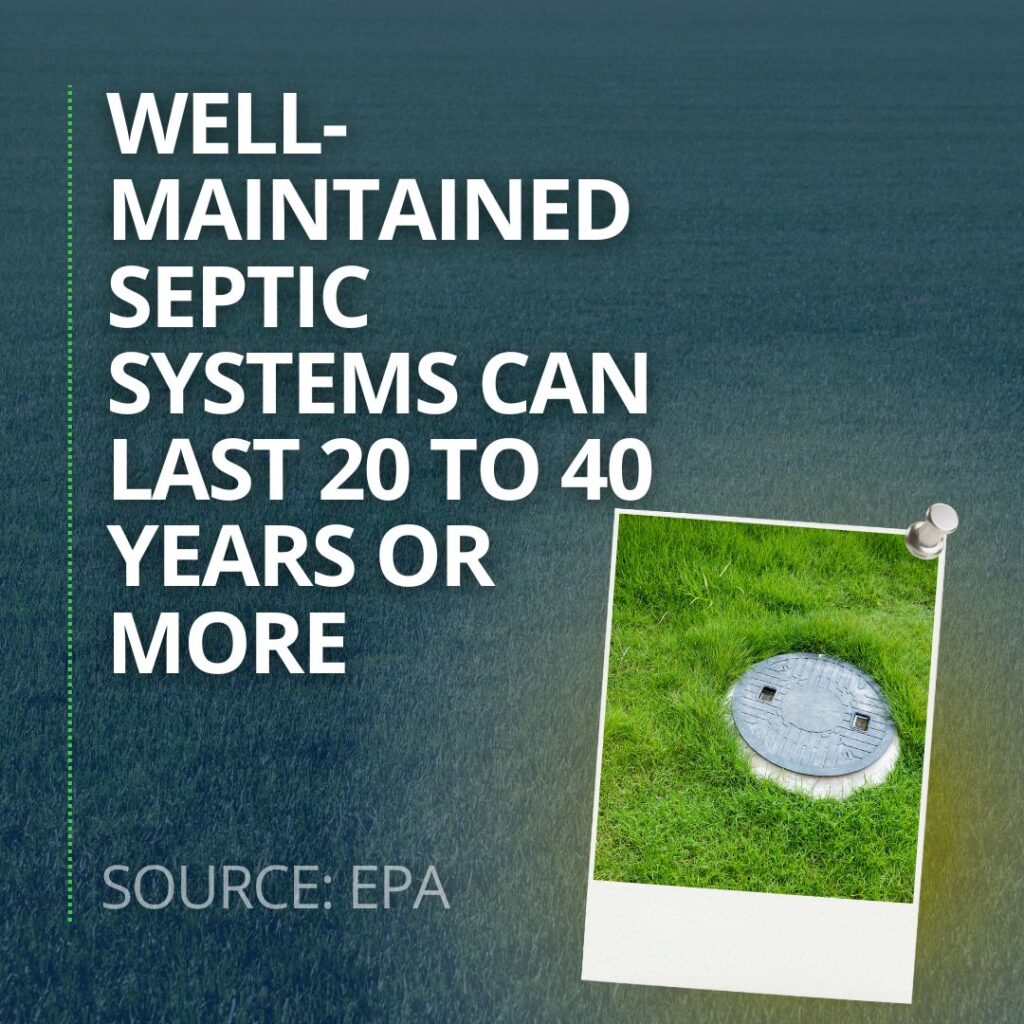
Across the United States, most septic tanks are designed to last several decades. The Environmental Protection Agency states that well-maintained septic systems can last 20 to 40 years or more. In Florida, that lifespan depends heavily on tank material and local conditions.
Here is a general breakdown of septic tank lifespan by material:
| Tank Material | Typical Lifespan |
| Concrete | 30 to 50 years |
| Fiberglass | 25 to 35 years |
| Plastic or polyethylene | 20 to 30 years |
| Steel | 15 to 20 years |
Concrete tanks are the most common choice in Central Florida because they are strong and handle soil pressure better than lightweight materials. Fiberglass and plastic tanks resist corrosion but may shift if the soil becomes saturated or unstable. Steel tanks are rarely installed today due to rust and early failure.
It is also important to understand that while the tank itself may last decades, other septic components do not last as long. Pumps, alarms, and distribution boxes often need replacement every 10 to 20 years. This is why routine inspections are so important for Florida homeowners.
Why Florida Septic Tanks Face Unique Challenges
Florida septic systems operate in conditions that are very different from colder or drier states. These environmental factors directly affect how long a septic tank lasts.
High Water Tables
Many areas of Central Florida have naturally high water tables. During rainy seasons, groundwater can rise close to the surface. When soil becomes saturated, wastewater has nowhere to go. This puts pressure on the tank and drain field and can cause backups, slow drainage, and system failure over time.
Heavy Rainfall and Storms
Florida receives significantly more rainfall than most states. Prolonged rain can flood drainage fields and reduce the soil’s ability to treat wastewater. Repeated flooding shortens the lifespan of both the tank and the drain field, especially if the system is already aging.
Sandy Soil Conditions
Sandy soil drains quickly, which can be helpful, but it also shifts easily. Soil movement can stress pipes, cause small cracks in concrete tanks, and affect how well the drain field distributes water. Improperly installed systems are especially vulnerable in sandy areas.
Factors That Determine How Long a Septic Tank Lasts
Several controllable and uncontrollable factors influence septic tank lifespan in Florida homes.
Tank Material and Build Quality
Not all septic tanks are created equal. Concrete tanks built with proper reinforcement and quality materials last far longer than poorly constructed ones. Low-quality concrete can crack or deteriorate faster when exposed to moisture and soil acidity.
Installation Quality
Proper installation is critical. Septic tanks must be set at the correct depth, on stable soil, and paired with a drain field designed for the property’s soil type and water table. Even the best tank will fail early if installed incorrectly.
Household Size and Water Use
The more water that enters the septic system, the harder it must work. Large families, frequent laundry loads, long showers, and heavy appliance use all increase strain. Systems that are consistently overloaded fill with solids faster and require more frequent pumping.
Maintenance and Pumping History
Routine septic pumping removes sludge and scum before they damage the tank or clog the drain field. Most Florida homes need pumping every three to five years, though high-use households may need it more often. Skipping pumping is one of the fastest ways to shorten septic tank lifespan.
Signs a Septic Tank Is Near the End of Its Life
Septic tanks rarely fail without warning. Knowing the signs allows homeowners to act before damage becomes severe.
Common warning signs include:
- Slow drains throughout the home
- Sewage odors indoors or outdoors
- Gurgling sounds in pipes or toilets
- Standing water near the tank or drain field
- Frequent backups even after pumping
In Florida, heavy rain can temporarily cause similar symptoms. A professional inspection is the best way to determine whether the issue is weather-related or a failing system.
How Septic Maintenance Extends Tank Life
Routine maintenance is the single most effective way to extend septic tank lifespan.
Regular Pumping
Pumping removes accumulated sludge and scum. When these layers become too thick, solids can exit the tank and damage the drain field. Drain field repairs are often more expensive than tank replacement, which makes pumping a wise investment.
Inspections
Professional inspections identify cracks, baffle damage, root intrusion, and early warning signs. Catching problems early prevents small issues from becoming major repairs.
Smart Water Use
Spreading water use throughout the day, fixing leaks, and using water-efficient appliances all reduce strain on the system.
Avoiding Harmful Materials
Flushing wipes, grease, chemicals, and harsh cleaners disrupt bacterial balance and damage system components. Septic systems rely on natural bacteria to function properly.
Septic Tank Repairs Versus Replacement
Not every septic issue means replacement is required. In many cases, targeted repairs can restore function.
Common repair scenarios include damaged baffles, cracked pipes, or distribution box issues. These repairs are often cost-effective when the tank structure is still sound.
Replacement is usually necessary when the tank itself is deteriorating, leaking, or structurally compromised, or when the drain field has failed beyond repair. Older systems without maintenance history are more likely to require replacement.
Drain Field Lifespan Compared to Septic Tanks
Drain fields typically have a shorter lifespan than septic tanks. In Florida, drain fields often last 15 to 30 years, depending on soil, water use, and maintenance.
Protecting the drain field is critical. Homeowners should avoid driving or parking vehicles over it, diverting roof and surface water away, and avoid planting trees with aggressive roots nearby.
Related Questions Homeowners Ask
How Often Should a Septic Tank Be Inspected?
Most systems should be inspected every one to three years. Older systems or homes with heavy use benefit from more frequent inspections.
Can Tree Roots Damage Septic Tanks
Yes. Roots can crack tanks, clog pipes, and damage drain fields. Proper landscaping and regular inspections help prevent root damage.
Is Septic Replacement Required When Selling a Home in Florida?
Many real estate transactions require septic inspections. While replacement is not always required, unresolved septic issues can delay or stop a sale.
Do Septic Systems Require Permits in Florida?
Yes. Installation, repair, and replacement must comply with local and state regulations and typically require permits and inspections.
When to Call a Septic Professional
Homeowners should contact a septic professional if they notice persistent odors, backups, slow drains, or standing water near the system. Professional service is also recommended when buying or selling a home, after flooding, or if the system is over 20 years old with limited service records.
A full scope septic provider can inspect, pump, repair, or replace systems while ensuring compliance with Florida regulations.
Conclusion
So, how long does a septic tank last for Florida homes? With proper installation, routine maintenance, and professional care, many septic tanks serve homes reliably for decades. Florida’s climate makes proactive service even more important, especially as systems age.
If your septic system is approaching 20 years old, showing warning signs, or overdue for service, working with a local septic professional helps protect your home and avoid costly surprises. Septic Services of Central Florida offers complete septic services designed for the region’s unique conditions.
Scheduling routine septic care today can extend system life, prevent emergencies, and give homeowners long-term peace of mind.


