A licensed septic contractor handles everything your onsite sewage system needs, from installation to inspections, pumping, and repairs. If you own a home in Central Florida without a city sewer connection, you will eventually need one.
At Septic Services of Central Florida, we field questions every day from homeowners across Polk, Hillsborough, and Hardee counties who want to know what this work involves, who is qualified to do it, and how to avoid a bad hire. This post answers all of it.
What Is a Septic Contractor?
A septic contractor is a licensed professional who installs, inspects, maintains, and repairs on-site sewage treatment systems. These systems treat wastewater directly on your property instead of sending it to a municipal facility. In Florida, they must be registered through the state and meet specific requirements to legally do this work.
The terms "septic contractor" and "onsite sewage contractor" are used interchangeably. Both refer to someone trained and permitted to work on systems regulated under Florida's onsite sewage treatment and disposal rules.
What Services Does a Professional Septic Contractor Provide?
Septic contractors cover more ground than most homeowners expect.
Installation
When you need a new system for a new build or a full replacement, a licensed contractor manages the entire job: soil testing, system design, permit applications with the county health department, excavation, and tank and drainfield installation. A permit from the county health department is required before work begins, and only a licensed contractor can pull it.
Inspection
Before buying or selling a property with a septic system, a contractor inspects it for condition, capacity, and code compliance. Inspections are also useful for aging systems whose last service date is unknown.
Pumping and Maintenance
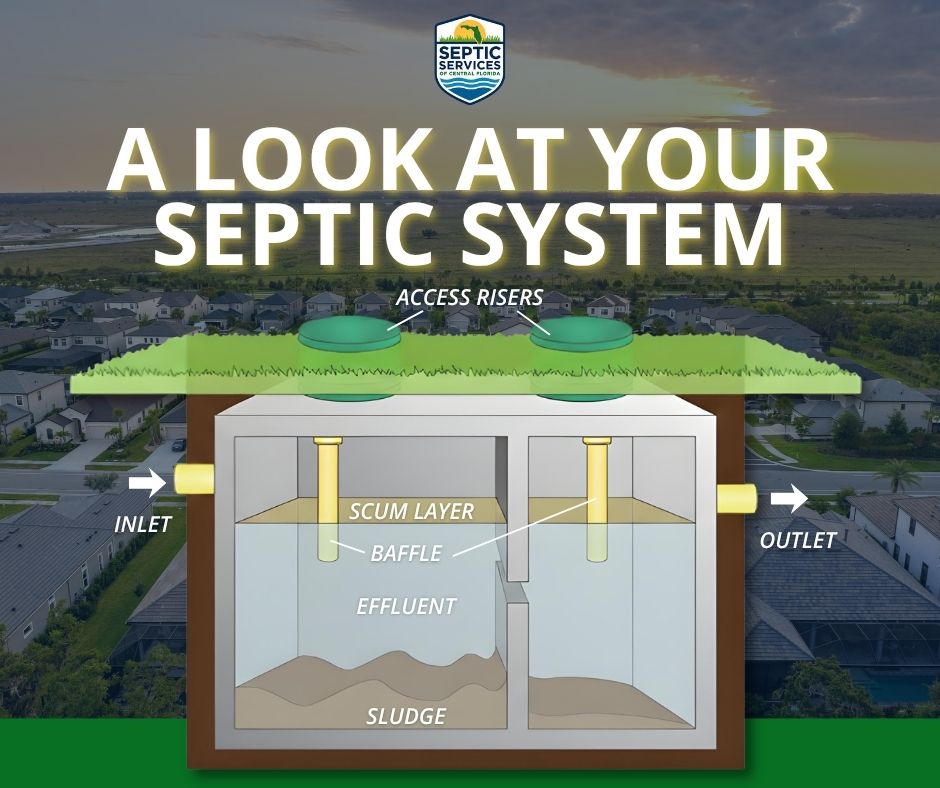
Tanks fill with solids over time and need pumping every 3 to 5 years, depending on household size. The contractor pumps the tank, inspects interior components, and flags any issues. Skipping pumping is one of the leading causes of drainfield failure, since solids that overflow into the field cause permanent damage. See our guide on when to pump your septic tank if you think you may be overdue.
Drainfield Repair and Replacement
Slow drains, soggy yard spots, or sewage odors near the system all point to drainfield trouble. A licensed contractor diagnoses the issue and handles the repair, whether that is a targeted fix or a full replacement. Our post on septic drainfield warning signs covers what to watch for.
What Licenses Does a Septic Contractor Need in Florida?
Florida requires septic contractors to hold a Septic Tank Contractor registration from the Florida Department of Health. This is a separate credential from a general contractor license. A general contractor cannot legally install or service a septic system in Florida without also holding this registration.
Also, per Florida Department of Health licensing requirements, contractors must pass a state exam, carry insurance, and renew on a set schedule. You can look up active registrations on the Florida DOH website before hiring anyone. Always ask for proof before work begins.
Septic Contractor vs. Plumber: What’s the Difference?
A plumber handles interior plumbing from your fixtures to the point where pipes exit the foundation. A septic contractor handles everything from that exit point outward: the tank, distribution system, and drainfield.
Homeowners sometimes call a plumber for a backup only to find the problem is in the outdoor septic system. That is when the septic contractor takes over. The two trades cover different parts of your property's waste management, and mixing them up costs time and money.
How to Find a Reliable Septic Contractor Near You
Verify licensing first. Unlicensed contractors are a real problem in Florida, and hiring one can mean failed inspections, fines, and systems that do not meet code.
A practical approach:
- Search the Florida DOH contractor registration database to confirm active standing.
- Get a written estimate with all work and materials broken out. Skip verbal-only quotes.
- Confirm they pull required permits. Any contractor who suggests skipping permits is a red flag.
- Check for general liability insurance.
- Read recent reviews for patterns, not just star counts.
- Ask about warranties. Solid contractors stand behind their work.
If you need service in Central Florida, get a free quote from our team, and we will walk you through it with no pressure.

Related Questions to Explore
- How much does a septic contractor charge in Florida? Pumping runs $250 to $500 for most residential systems. New installations typically fall between $5,000 and $15,000, depending on system type, soil, and lot size. Drainfield replacements commonly range from $3,000 to $10,000. Get at least two written estimates before committing.
- Do I need a permit to hire a septic contractor? Yes. Most septic work in Florida requires a county health department permit, including installations, repairs, and modifications. Your contractor handles the application. If they suggest skipping a permit that is normally required, that is a warning sign.
- How do I check if a septic contractor is licensed in Florida? Search the Florida DOH public license verification portal by name or company. You will see registration status, county, and expiration date. It takes two minutes. For context on what a licensed contractor actually builds, see our guide on how a septic system works in Florida.
- What questions should I ask a septic contractor before hiring? Ask: Are you registered with Florida DOH? Will you pull the required permits? What does the written estimate include? What warranty do you offer? Do you carry liability insurance? A contractor who answers these directly is worth a closer look.
- How often should a septic contractor inspect my system? Inspection at every pump-out is recommended, typically every 3 to 5 years. For real estate transactions, get one regardless of the last service date. Any signs of stress — slow drains, gurgling, wet yard spots — warrant a call before the next scheduled visit.
When to Call a Professional Septic Contractor
Contact a licensed contractor when:
- You are buying or selling a property and need an inspection report.
- You see wet spots, odors, or unusually green grass near the drainfield.
- Multiple drains in the house are slow or backing up at once.
- The tank has not been pumped in more than five years.
- You are adding onto your home or planning new construction.
- The system is 20-plus years old and has never been evaluated.
Our team covers Polk, Hillsborough, Hardee, and surrounding counties with same-day emergency service and free estimates on all new work.
Conclusion
A licensed septic contractor installs, inspects, and maintains on-site sewage systems. In Florida, they must hold a state DOH registration separate from a general contractor license and pull permits for most work.
Key takeaways:
- Verify Florida DOH licensing before hiring anyone.
- Get a written, itemized estimate.
- Routine pumping and inspection are the most cost-effective way to protect your system.
Ready to get started? Our team is here to help with transparent pricing, no hidden fees, and an industry-leading 8-year warranty on new installations.


